The Reality of Coastal and Tropical Microclimates
Breathtaking ocean views in Hawaii come with a unique set of structural demands. The very elements that make the islands beautiful, including salt-laden air, high humidity, relentless volcanic trade winds, and intense UV exposure, also happen to be incredibly harsh on physical structures. Building a custom home on the coast requires a departure from standard mainland construction practices. It requires specialized engineering and advanced materials to ensure a home remains a safe, low-maintenance sanctuary for generations.
Microclimates on the islands can vary dramatically within just a few miles. A property situated on the windward side of an island may face constant rain and high-velocity salt spray, while a leeward estate might deal with intense solar heat and volcanic emissions. Designing for these microclimates means analyzing the specific site conditions before the first shovel of dirt is turned.
Structural Engineering for Wind, Waves, and Seismic Activity
Coastal construction in Hawaii must account for extreme natural forces, including hurricanes, seismic events, and tsunamis. Engineering for these hazards requires a holistic approach to structural integrity.
Continuous Load Path Systems
To resist hurricane-force winds, a home must behave as a single, unified structure. Structural engineers achieve this by designing a continuous load path from the roof down to the foundation. This system uses heavy-duty, hot-dip galvanized or stainless steel connectors, hurricane ties, and shear walls. If wind uplift forces pull on the roof, the load is transferred down through the walls and directly into the concrete foundation, preventing catastrophic failure.
Concrete Masonry and Cast-in-Place Concrete
Concrete is highly favored for tropical custom estates. Poured-in-place concrete and concrete masonry units (CMU) provide the mass and rigidity necessary to withstand high wind pressures and seismic movement. Unlike timber, concrete does not rot, warp, or burn. When properly reinforced with epoxy-coated or fiberglass rebar, concrete elements resist the internal corrosion that often plagues coastal concrete structures exposed to salt air.
Selecting Resilient Materials for Marine Environments
Material science has evolved significantly, offering luxury builders advanced options that stand up to coastal degradation without sacrificing aesthetic appeal.
Marine-Grade Metals
Standard metals degrade quickly near the ocean. Mild steel and even lower grades of stainless steel will develop rust and pit within months of exposure. Luxury custom estates utilize 316-grade stainless steel, copper, or bronze for all exposed exterior fasteners, flashings, and structural hardware. Anodized aluminum with a high-thickness oxide layer is often chosen for window and door frames, protecting the metal from chalking and corrosion.
Modified and Resistant Woods
While natural wood offers unmatched warmth, it is highly vulnerable to moisture, UV damage, and subterranean termites. To counteract this, builders use modified woods like Accoya. Through a non-toxic chemical alteration process, Accoya wood becomes virtually impervious to water absorption. It does not swell, shrink, or decay, and it is highly unappealing to termites. For structural framing, light-gauge steel or concrete are superior alternatives to traditional wood framing in humid tropical zones.
High-Performance Glazing
Large expanses of glass are essential for capturing Hawaii panoramic ocean views. However, large windows are also vulnerable to high winds and solar heat gain. Custom estates utilize impact-resistant laminated glass, similar to the glass used in automotive windshields. This glass can withstand flying debris during a storm without shattering. To keep interiors cool, builders specify multi-layered low-emissivity (low-E) coatings. These microscopic metallic layers block infrared heat while allowing visible light to pass through, keeping air conditioning bills manageable.
Managing Moisture, Rot, and Air Quality
Water damage is the single greatest threat to a tropical home. High relative humidity can lead to mold growth behind drywall and rot within structural cavities. Effective moisture management relies on advanced building envelope design.
Rainscreen Cladding Systems
A rainscreen system is an incredibly effective defense against moisture intrusion. Instead of applying siding directly to the home framing, builders leave a small ventilated air gap behind the exterior cladding. This gap allows any water that passes the outer siding to drain away safely, while allowing air to circulate and dry out the wall cavity. This simple physical separation prevents moisture from trapped in the walls, protecting the home from mold and dry rot.
Smart Vapor Barriers and Dehumidification
Air conditioning creates a temperature differential between the hot, humid outdoor air and the cool indoor air. This difference causes moisture to migrate toward the interior of the home. Installing smart vapor barriers allows walls to breathe, releasing trapped moisture before it can cause structural damage. Indoors, high-efficiency mechanical ventilation systems with dedicated dehumidification units maintain optimal humidity levels, preserving fine woodwork, artwork, and indoor air quality.
Designing for Passive Longevity
The best engineering often works in harmony with nature. Incorporating traditional tropical design elements can reduce the strain on mechanical systems and materials.
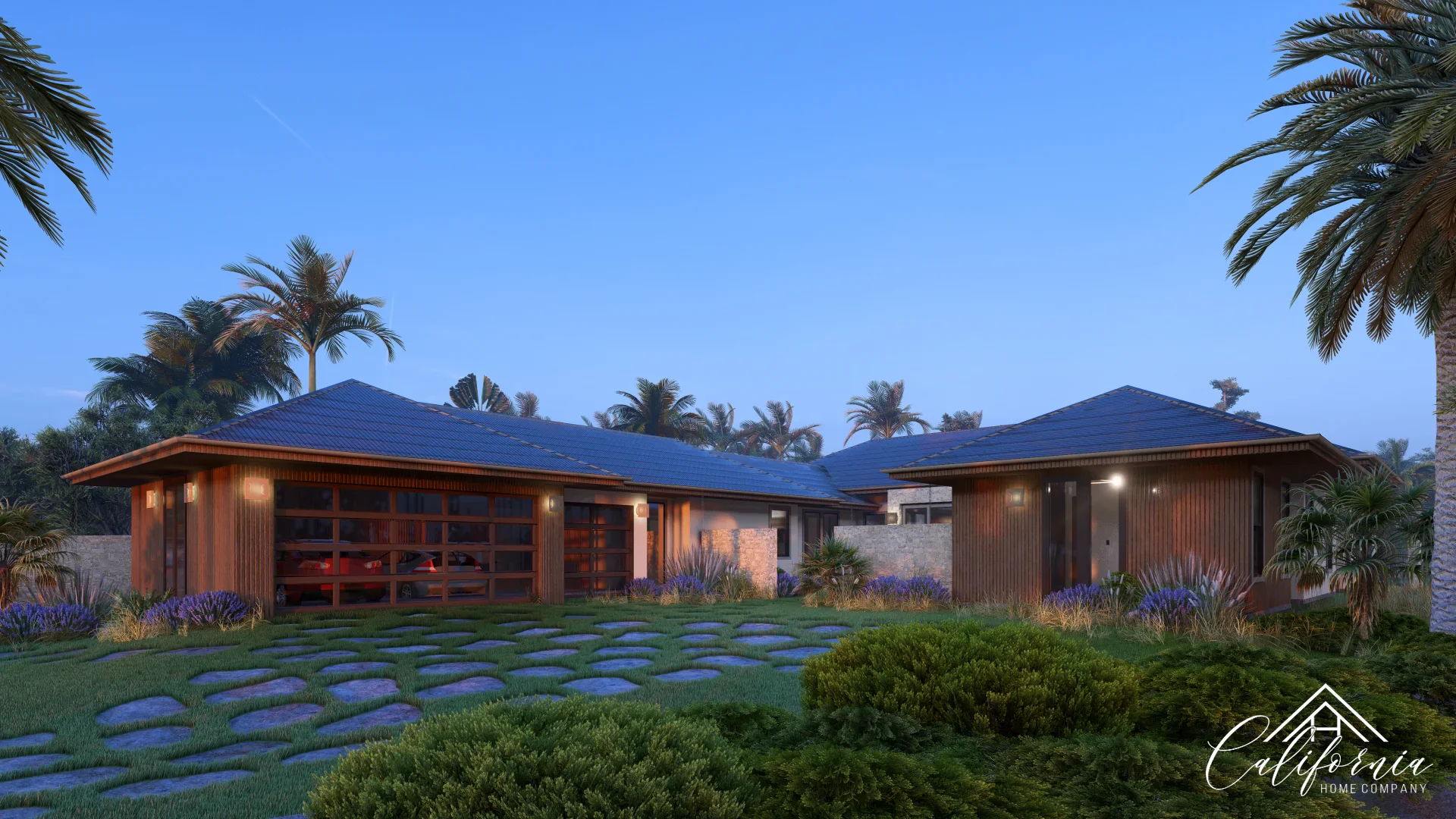
Deep Roof Overhangs: Large roof eaves shade exterior walls and windows, reducing solar heat gain and protecting siding from direct rainfall.
Passive Ventilation: Strategic placement of louvers, transoms, and sliding glass walls allows the prevailing trade winds to naturally cool the home, reducing the reliance on continuous air conditioning.
Local Basalt and Stone: Utilizing local materials like basalt stone for claddings and retaining walls provides a natural, low-maintenance finish that blends seamlessly with the Hawaiian environment.
Bringing Mainland Precision to Island Construction
Sourcing these specialized materials and coordinate complex engineering requires a builder with a reliable supply chain and deep technical expertise. Logistical planning is crucial when building in Hawaii, as many advanced materials must be sourced from the mainland or international manufacturers. California Home Company brings over 20 years of building and development experience, applying meticulous project management and custom engineering expertise to prestigious luxury builds in both California and Hawaii. By integrating these advanced engineering practices early in the project planning stage, your custom island estate will remain a durable, beautiful sanctuary for generations to come.