The Evolution of the Family Estate
The concept of home is expanding. Affluent families are no longer looking for just a temporary residence or a seasonal getaway. Instead, they are planning for the long term, creating sprawling estates designed to host multiple generations under one roof, or across a single shared parcel. These legacy estates serve as personal sanctuaries where grandparents, adult children, and grandchildren can live together while maintaining individual privacy.
Their Hawaiian counterparts are known as Ohana units, a term rooted in the deep-seated cultural concept of family and interconnectedness. In California, these secondary spaces are built as high-end Accessory Dwelling Units (ADUs). Designing these properties requires a careful balance of architectural foresight, local regulatory knowledge, and deep respect for the land.
Understanding Rules: California ADUs and Hawaii Ohana Units
Building a multi-dwelling estate requires working within distinct legal frameworks. Both California and Hawaii have modernized their zoning laws to encourage secondary units, but the rules differ significantly by municipality.
California's Accessory Dwelling Unit Rules
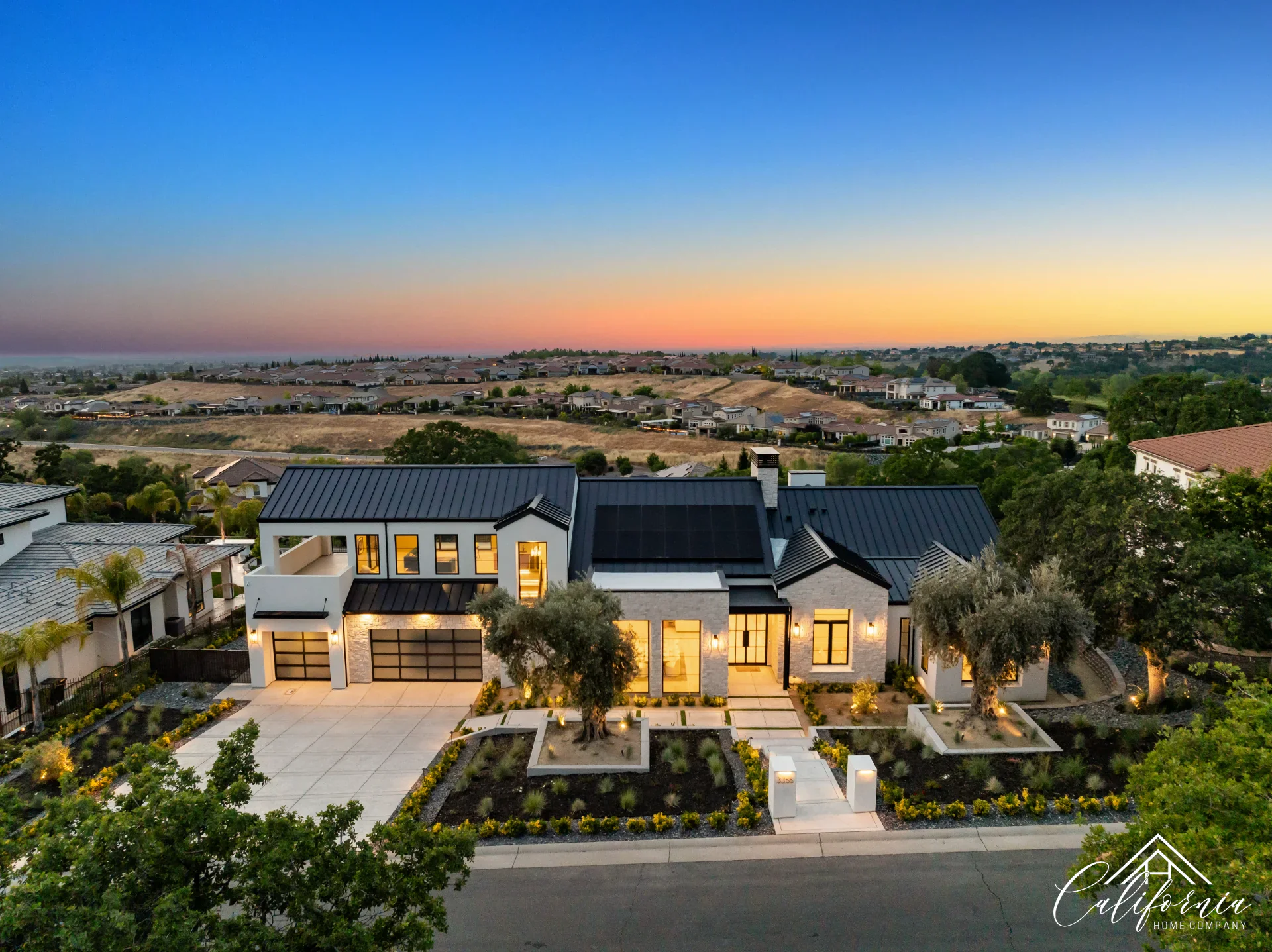
Recent state legislation has streamlined the approval process for ADUs. Homeowners can often build detached cottages up to 1,200 square feet, depending on local county guidelines. In exclusive Northern California communities like Loomis, El Dorado Hills, and Sacramento, estate lots often span several acres. This acreage allows for expansive, detached secondary homes that look and feel like primary residences rather than simple guest suites.
Hawaii's Ohana Zoning Laws
Hawaii offers a different structural framework. Ohana units are legally defined dwelling units intended for family members. The regulations vary by island. On Oahu or Maui, building an Ohana unit requires adhering to strict county-specific building codes, utility capacity limits, and public infrastructure requirements. Some zoning districts require minimum lot sizes, often starting at 10,000 square feet, to qualify for an Ohana permit. Working with builders who understand these localized nuances prevents costly delays during the planning phase.
Architectural Layouts That Balance Privacy and Connection
The primary challenge of multi-generational design is balancing communal connection with personal space. Successful estates resolve this tension through smart spatial planning.
Dual Primary Suites and Detached Cottages
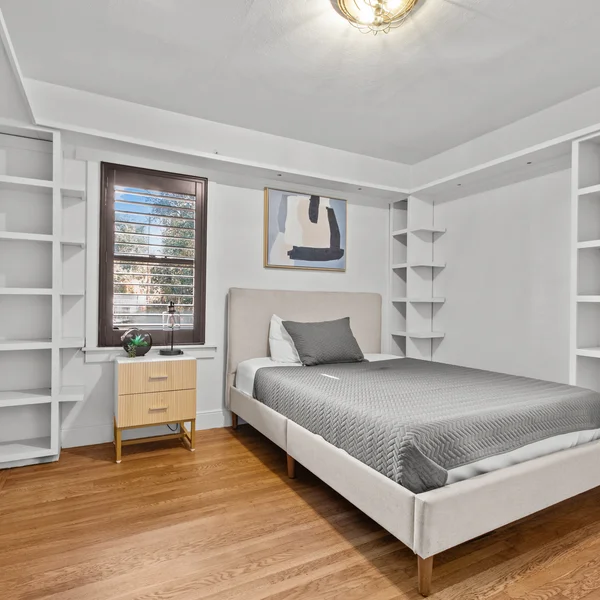
Incorporating two primary suites is a highly effective layout strategy. One suite can occupy the main wing of the home, while a second, equally luxurious suite occupies an opposite wing or a detached cottage. This setup accommodates aging parents or adult children returning home, giving everyone equal comfort and autonomy.
Designing a separate guest cottage connected to the main house by a covered loggia, breezeway, or outdoor kitchen maintains visual harmony. This layout provides true acoustic separation while keeping family members just a short walk away.
Universal Design for Longevity
The primary challenge of multi-generational design is balancing communal connection with personal space. Successful estates resolve this tension through smart spatial planning.
Integrating universal design principles ensures the home remains functional for decades. This includes flush thresholds, wide hallways, curbless walk-in showers, and structural framing pre-engineered for future elevator installations. These features do not require sacrificing luxury. They can be integrated beautifully with custom stonework, high-end fixtures, and minimalist aesthetics.
Selecting the Ideal Parcel for a Multi-Dwelling Compound
Finding the perfect parcel is the foundational step in building a legacy estate. The land must support multiple structures, which means checking soil conditions, water availability, and local septic capacities before breaking ground.
In Northern California's private vineyard communities or foothill regions, hillside terrain can complicate construction. Sloped lots may require advanced engineering, retaining walls, or terraced designs to accommodate secondary units safely. In Hawaii, lava zone classifications, coastal setbacks, and preservation zones dictate exactly where you can build. Ensuring that utilities can support two or more distinct living structures is critical before purchasing a lot.
Crafting a Multigenerational Legacy with California Home Company
Creating a property that spans generations requires a level of craftsmanship and vision that goes beyond standard home building. It demands a partner who understands the emotional weight of creating a family sanctuary.
California Home Company specializes in bringing these complex, high-end projects to life. With over 20 years of experience in custom home building and land development across Northern California and Hawaii, the team manages every phase of the process. From initial site acquisition and navigating strict local zoning departments to selecting premium materials that withstand coastal or foothill environments, they ensure your vision is realized. Building a legacy estate is about more than property values. It is about creating a place where your family can gather, grow, and connect for decades to come.