More Than a Dream Destination
For many homeowners, Hawaii represents the ultimate vision of luxury living—expansive glass walls opening to ocean breezes, breathtaking sunsets over infinity pools, and seamless indoor-outdoor spaces that celebrate nature. Yet transforming that vision into a custom-built residence requires much more than exceptional design. Building in Hawaii demands a deep understanding of the islands’ unique environmental conditions, logistical challenges, and regulatory requirements.
Unlike mainland construction, every decision made during a Hawaiian custom home project must consider the realities of island living. From sourcing materials and navigating complex permitting processes to designing for tropical climates and coastal exposure, success depends on careful planning and experienced local leadership.
The Logistics Behind Island Construction
One of the most significant differences between building in Hawaii and building on the mainland is the supply chain.
Virtually every premium construction material—whether imported stone, luxury fixtures, custom cabinetry, or specialty structural components—must be transported across the Pacific Ocean. This creates longer lead times and requires a proactive procurement strategy from the earliest stages of the project.
Experienced builders anticipate these challenges by ordering materials months in advance and coordinating secure storage before installation. Without this level of planning, shipping delays can significantly impact construction schedules and budgets.
For luxury homeowners, maintaining design integrity often means waiting for the right materials rather than compromising with locally available alternatives. Strategic project management ensures that quality is never sacrificed for convenience.
Designing for Hawaii’s Unique Climate
While Hawaii's climate is one of its greatest attractions, it also presents unique architectural challenges.
Constant exposure to salt air accelerates corrosion and deterioration of conventional building materials. As a result, luxury residences often incorporate marine-grade stainless steel, high-performance coatings, engineered composites, and other materials specifically selected for coastal environments.
Humidity is another critical factor. Proper ventilation is essential for preventing moisture-related issues such as mold growth and wood deterioration. Many of Hawaii’s finest custom homes are carefully oriented to capture prevailing trade winds, promoting natural airflow and reducing dependence on mechanical cooling systems.
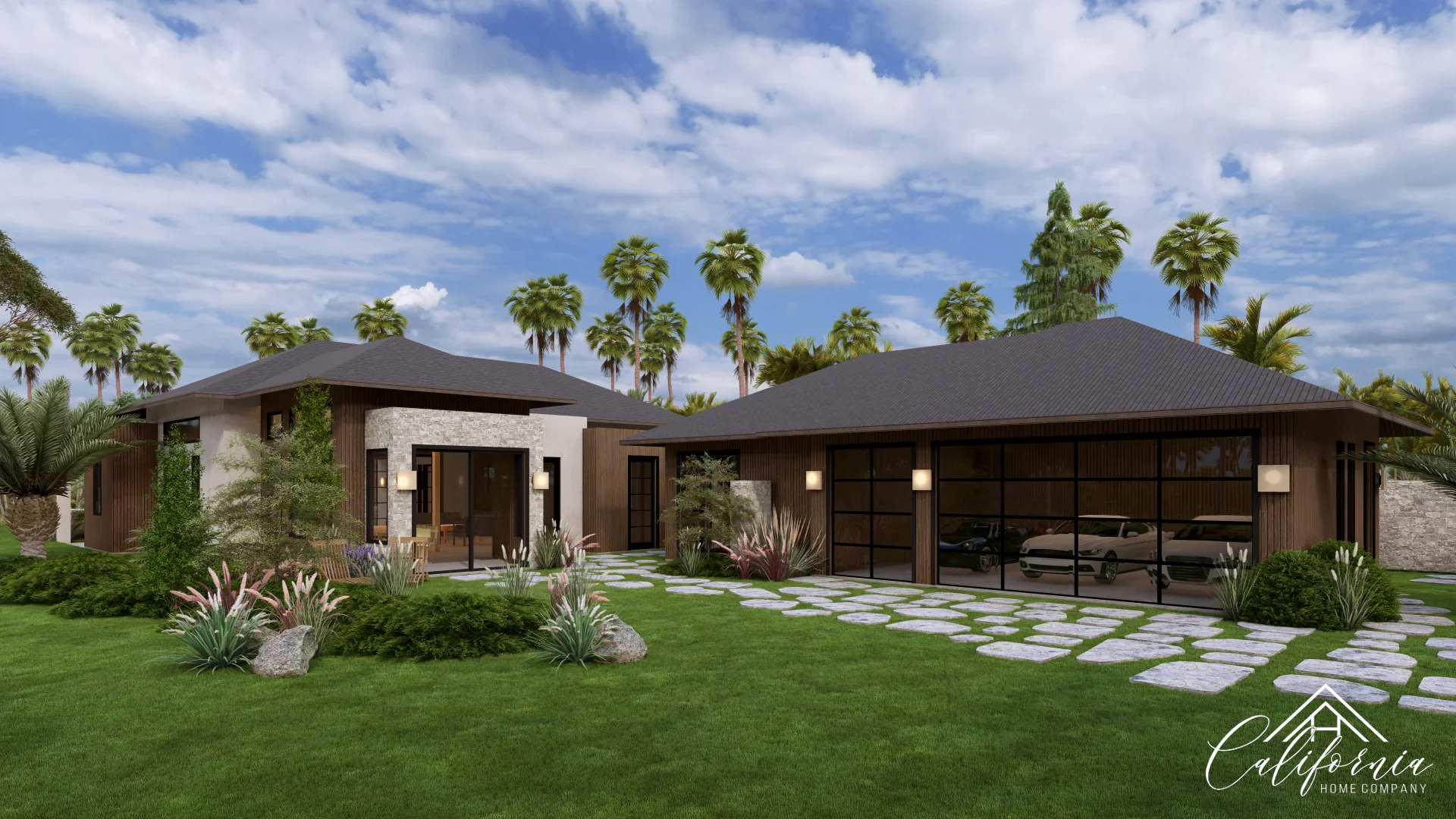
Architectural features such as deep roof overhangs, shaded lanais, and covered outdoor living areas provide additional protection from tropical rain while improving energy efficiency and occupant comfort.
Environmental Risks and Long-Term Durability
Building in Hawaii requires consideration of environmental conditions rarely encountered elsewhere.
Termites remain one of the most persistent threats to residential construction throughout the islands. To mitigate risk, luxury homes frequently utilize treated lumber, reinforced concrete, steel framing, or other termite-resistant building systems.
On the Island of Hawaii, volcanic activity introduces an additional layer of complexity. Lava Flow Hazard Zones influence land value, insurance requirements, and engineering strategies. Understanding these classifications before purchasing property is an essential part of the due diligence process and can significantly affect the long-term viability of a project.
Navigating Regulations and Preserving Natural Heritage
Hawaii maintains some of the nation's most comprehensive environmental and development regulations, reflecting the islands’ commitment to protecting their natural and cultural resources.
Properties located near the coastline may fall within Special Management Areas (SMA), requiring additional approvals, environmental reviews, and public consultations before construction can begin. These processes often extend project timelines but play a crucial role in preserving Hawaii’s fragile ecosystems.
Cultural stewardship is equally important. Depending on the location, archaeological assessments may be required to identify and protect historically significant sites and artifacts. Successful projects approach these requirements not as obstacles but as opportunities to build responsibly and respectfully within the local community.
Today’s luxury homeowners increasingly seek designs that embrace sustainability through native landscaping, responsible water management, and site-sensitive architecture that minimizes environmental impact while enhancing the property's natural beauty.
Selecting the Right Property
The success of a custom home often depends on decisions made long before construction begins.
Some luxury communities provide established infrastructure, utilities, and development guidelines that simplify the building process. More secluded oceanfront properties, however, may require extensive site preparation, private utility systems, solar power installations, battery storage, or rainwater collection systems.
Topography also plays a major role. Steep hillsides, volcanic terrain, and coastal sites frequently require specialized engineering solutions and custom foundation systems. While these challenges can increase upfront costs, they often result in extraordinary homes that fully embrace Hawaii's remarkable landscapes.
Comprehensive site evaluations conducted before purchase can reveal hidden costs and help homeowners make informed investment decisions.
The Importance of Local Expertise
Building a luxury residence in Hawaii is not simply a construction project—it is the creation of a personal retreat designed to endure for generations.
Achieving that vision requires a collaborative team of architects, engineers, consultants, and craftsmen who understand the unique demands of island construction. Strong relationships with trusted local subcontractors, suppliers, and regulatory agencies help ensure that projects move efficiently while maintaining exceptional standards of quality.
With proper planning, experienced leadership, and a deep respect for the land, building in Hawaii becomes an opportunity to create a home that feels naturally connected to its surroundings.
The most successful Hawaiian residences do more than occupy a site—they become part of the landscape itself, blending luxury, sustainability, and timeless design into a true island sanctuary.