The Foundation of a Luxury Custom Home
The journey toward a custom home usually begins with a vision of a specific lifestyle. You might see yourself watching the sunset from a lanai in Hawaii or overlooking a private vineyard in Loomis. However, the physical ground beneath that vision is what determines if the project can actually happen. Strategic land acquisition is the most critical phase of the building process. It involves more than just purchasing a piece of property. It requires a deep understanding of what the land will allow you to build.
Building in regions like Northern California and Hawaii involves layers of regulation and geographical challenges. A lot that looks perfect at first glance might have hidden restrictions that limit the size of your home or significantly increase the cost of construction. Getting the land right from the start prevents expensive surprises later on.
Understanding Zoning and Local Regulations
Zoning laws are the rulebook for what can be built on a specific piece of land. These rules dictate the height of the structure, how far it must be from the property lines, and what percentage of the lot can be covered by buildings. In luxury real estate, these setbacks are crucial. They define the footprint of your home and the privacy you will have from neighbors.
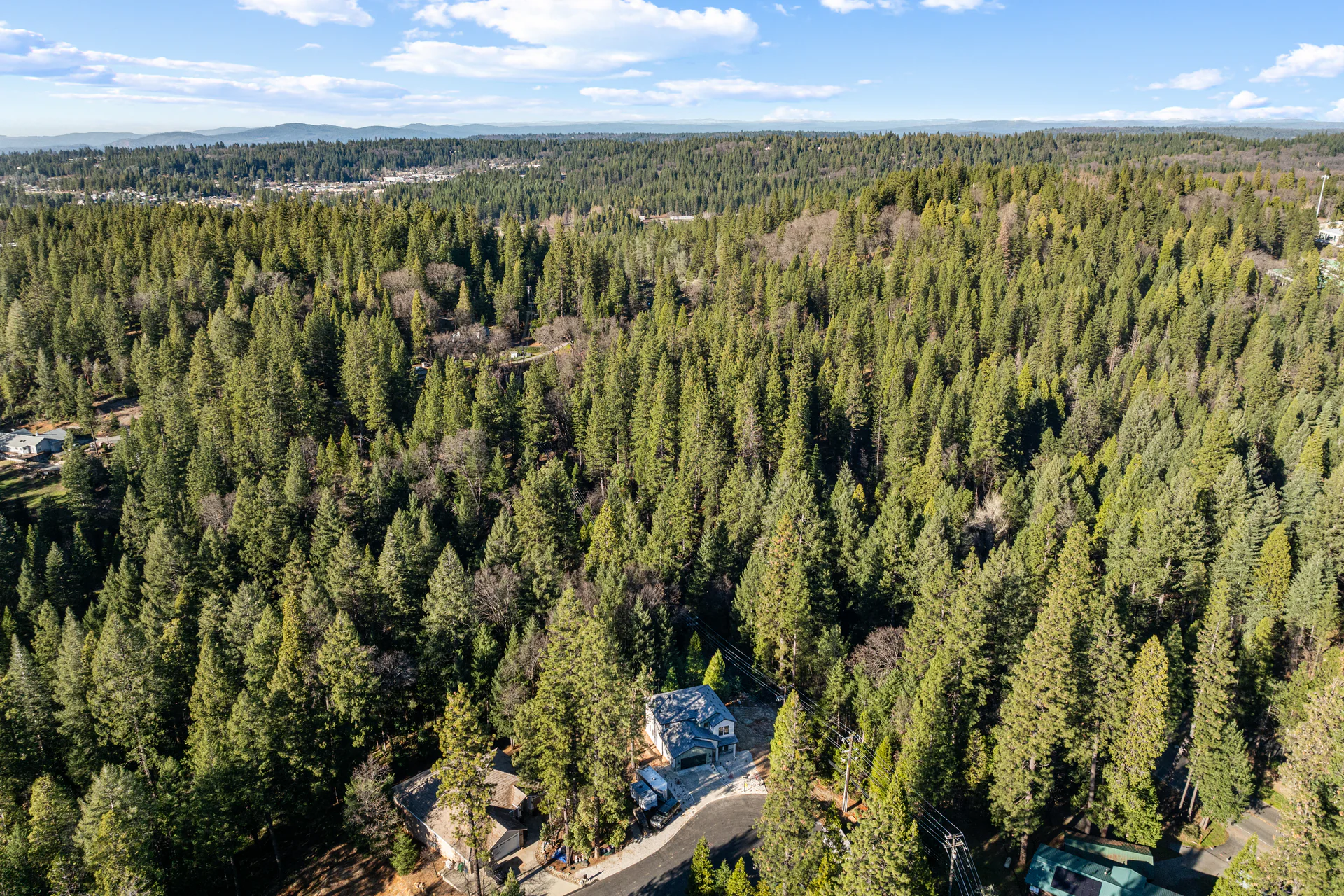
In Northern California, zoning often intersects with fire safety regulations. Local codes in places like El Dorado Hills or Lincoln require defensible space around structures. This means you must manage the vegetation and trees within a certain radius of the home. These requirements can impact where you place the house on the lot and how you design your outdoor living spaces.
Hawaii adds another layer of complexity with its Coastal Zone Management (CZM) requirements. If a property is near the shoreline, strict federal and state laws govern what can be built. You might face limitations on building materials or specific height restrictions to preserve view corridors. Missing a single zoning detail can lead to months of delays in the permitting office.
Site Feasibility: Beyond the Surface
Site feasibility is the process of testing the physical characteristics of the land. Just because a lot is for sale does not mean it is ready for a foundation. Soil quality is a primary factor. In the Northern California foothills, builders often encounter hard rock that requires blasting or specialized equipment to excavate. In other areas, expansive clay soils might require a more robust and expensive foundation system.
Slope and topography also play a huge role in the budget. A lot with a dramatic view often comes with a steep grade. Building on a hillside requires sophisticated engineering for drainage and retaining walls. While the final result is often stunning, the initial investment in site preparation will be higher than building on a flat parcel. You must account for the cost of moving dirt and stabilizing the land before the first frame goes up.
The Vital Role of Utilities and Infrastructure
Infrastructure is often taken for granted in suburban developments, but for custom luxury homes on larger tracts of land, it is a major consideration. You have to determine how water, power, and sewage will be handled. Some properties in rural Northern California rely on private wells and septic systems. Testing the well for water flow and the soil for septic percolation is a non-negotiable step in the feasibility phase.
Hawaii properties might face different utility challenges. Some remote luxury enclaves require off-grid solutions or significant investments to bring municipal power to the site. Connectivity is another factor. If you plan to work from your new home, ensuring that high-speed internet is available at that specific coordinate is essential. California Home Company assists clients by evaluating these infrastructure needs long before the design phase begins.
Regional Nuances in California and Hawaii
Each region has its own set of environmental and cultural considerations. In Hawaii, land development often involves archaeological surveys. Builders must respect the history of the land and ensure that no sensitive sites are disturbed. This process requires patience and a respectful approach to the local community.
Northern California builders must prioritize water management. Recent droughts and changing climate patterns have led to stricter requirements for rainwater runoff and irrigation. Designing a landscape that is both luxurious and water-efficient is now a standard part of the planning process. These regional nuances mean that a one-size-fits-all approach to land acquisition never works.
The Value of Professional Strategy
Many buyers make the mistake of purchasing land before consulting with a builder or architect. This can lead to a disconnect between the dream and the reality of the site. A strategic approach involves bringing a team together during the due diligence period. This team can walk the property and identify potential red flags that a real estate agent might not notice.
Experts look for things like protected trees, easement issues, or evidence of poor drainage. They can provide rough estimates for site preparation costs, which helps you decide if the purchase price of the land is actually a good deal. If the lot costs five hundred thousand dollars but requires another three hundred thousand in dirt work, the true cost of the land is eight hundred thousand. Knowing these numbers upfront is the only way to protect your investment.
Final Steps in the Acquisition Process
Once the feasibility tests are complete and the zoning is verified, the final step is defining the project milestones. This includes securing the necessary permits and aligning the design with the natural features of the land. The best custom homes do not fight the landscape. They work with the natural contours and climate of the region to create a personal sanctuary.
Investing the time in land research pays off during the construction phase. When the site is properly vetted, the building process moves faster and encounters fewer obstacles. You can move forward with confidence, knowing that the ground you have chosen is capable of supporting the home you have imagined. Building a custom home is a significant undertaking, and it all starts with the right piece of earth.